
- Published on
Good Inside - Early matters
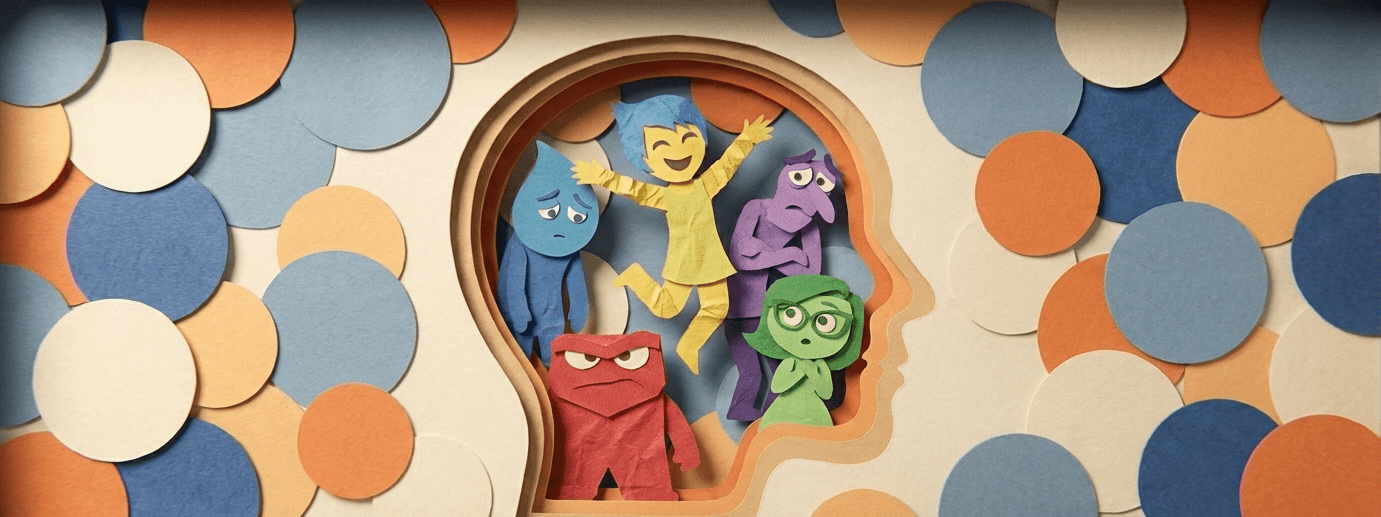
From the series notes on the book Good Inside.
This chapter starts by reminding us that the way we interact/react with our kids gets wired on their behavior, their inner voices, and for sure their personalities.
But this time it introduces the timing factor, saying that the kids at an early age will learn from these factors and remember them for life. Not in the form of memories as we know, but in the way they understand the world.
It makes total sense that evolutionaryly, they receive more care the more attachment they get from their caregivers. Because we human beings are great learning machines - that try things and learn from feedback - we will reinforce our behaviours based on feedback.
So there are these two concepts, one is Attachment theory, and the other is Internal Family Systems.
It gets me thinking about how some of my behaviors were formed. One of which is not liking to ask for help. Maybe it has to do with the way I was raised to "not disturb" others (don't cause inconvenience to others). It goes a long way; I don't want to draw any conclusions.
So this attachment theory explains how our behaviors get shut down based on early experiences, whereas Internal Family Systems divides our inner beings into different parts, such as the part of us that is brave, introspective, or anxious, given different situations.
The powerful combination of these gives us an understanding of kids' development. While AT drives what kids have to learn to guarantee survival, IFS gives us and kids the compartmentalized view, so instead of just behaviors, they can divide response into their own inner identities - e.g., what part of me I should shut down to improve survival chances.
This combination then becomes dangerous, in a way that if a kid subconsciously associates that some of their parts are not desired, that shut down can become their identity - e.g., if kids think they're not loved, they can start thinking they're not lovable and think their identity is of a bad person.