
- Published on
⌗1 Good Inside
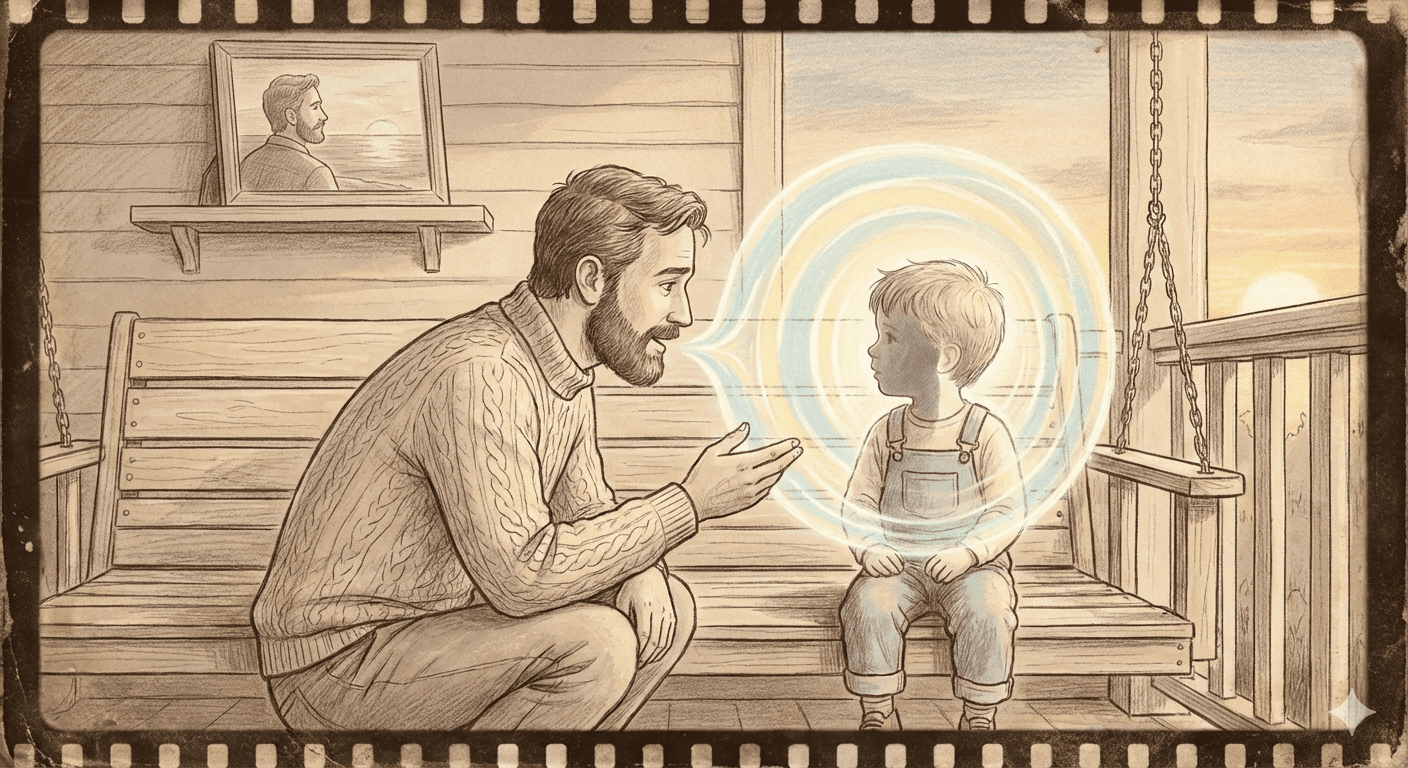
After a while - some years to be honest - I restarted reading the book Good Inside.
My wife has suggested me reading it some years ago and I have never finished. The last time I remember going through it, my daughter was still attending Karate classes and her last diploma I can see on my wall dates from summer 2024.
Anyways, so this time I decided to take notes. Probably it will be chapter after chapter to try to maximize absorption and attention.
⌗1 Good Inside
This chapter starts with the essential foundation for Dr. Becky's Book:
We're all good inside
This initially confronted a belief inside of me bought out of some of my world views and content I've been exposed to. Sometimes when exposed to raw internet content and revisiting the history of wars, trying to understand evolution, I tend to think that no, a human being in its essence isn't necessarily good. We're actually animals that in recent evolutionary years are experimenting this idea of being kind.
But I believe these two ideas don't necessarily intersect. Talking about evolution and how adult beings behave in extreme situations don't overlap to how - talking about a family setup - we adults behave with our sons, daughters and parents.
I believe that in a family, the main driver is Love. Speaking for myself as a son or as a father, my relation with others are driven with being the best I can, doing the best I can. Of course we all have our own set of methodologies, behaviors and that's where conflict happen.
The unmatched role of parents
Something that resonated with me is the idea that when we trust our kids good will, that they're good inside, we can truly steer their behavior and success.
As I kid, I would like to have that - I am not judging if I had, or how much I had. Having a leader, a partner that believes in you, also extending to other environments like at work, makes total sense. Believe and trust is the opposite of bing wary, distrustful. Problems happen I know, but I rather trust 10x.
Good Voice, Bad Voice
Interesting to know (remember, recognize), that the voices we hear internally when dealing with situations, are often how we heard our parents deal with us when we were younger.
I would add that not only parents have that influence over us, but also people we cared about and heard while growing up.
A lot of the voices I hear internally are good because they push me forward and help me deal with inertia, like: 1) come on, one more set, 2) I know it seem chaotic, I know it looks bad, but you will face your problems like a man (my mother used to say this a lot to me). Other voices otherwise try to alter my personality such as: 1) you're lazy, 2) you're dumb.
It is good to read and acknowledge that our kids learn from these bad reactions we have as training data to know what behaviors they will reinforce and what they'll suppress.
Identity
Thinking of what I read in Atomic Habits and the idea that our identity is intimately related to our habits, I think that whenever we shut down our kids with identity-based responses (e.g.: "you're just lazy"), this creates a bad downward cycle such as:
shut down with bad identity response -> kid starts self talking that -> this reinforces the kid's identity -> This influences the kid's behavior now and in the future
So really, an idea spread out there is that if you want your kid - or anyone really - to behave like X, make them believe they're X - and steer the way if you're the leader.
Reactions
Something I really need to work even harder on and put it on the spotlight is in reactions.
I'll put aside my seldom rudeness and the role it interferes with the interactions I have at home.
That said, when we react to our kids tantrums - challenging questions, stressful moments, etc - can teach them a lot.
From this chapter I learned that we should focus on the causes for them. From the example given (Kid saying we're the worst parent in the world) and the options given, it wasn't so clear to me, for example why "Your words hurt" would not be an acceptable option. But I understand. All the options given focus on ourselves, whereas we should focus on stopping the propagation of the message, almost like a cushion and try to depurate them.
Looking glass
Still connected to the concepts above, our kids behave - and become - what they think we think of them.
Does it sound familiar?
I immediately thought of the Looking Glass Self concept that conveys the idea that "our identity is largely constructed through our perceptions of how others view us". This is clear as water to me.
Wrapping up
- We're good inside
- The parent's role is so important and so special in steering ones self
- Assume kids are good and construct the voices they'll hear throughout their lives
- Constructing good identities help construct good habits
- In hot moments, focus on being a cushion and tackling causes, not in defending yourself.
- Our identity is largely constructed through our perceptions of how others view us - so is our kid's identity